
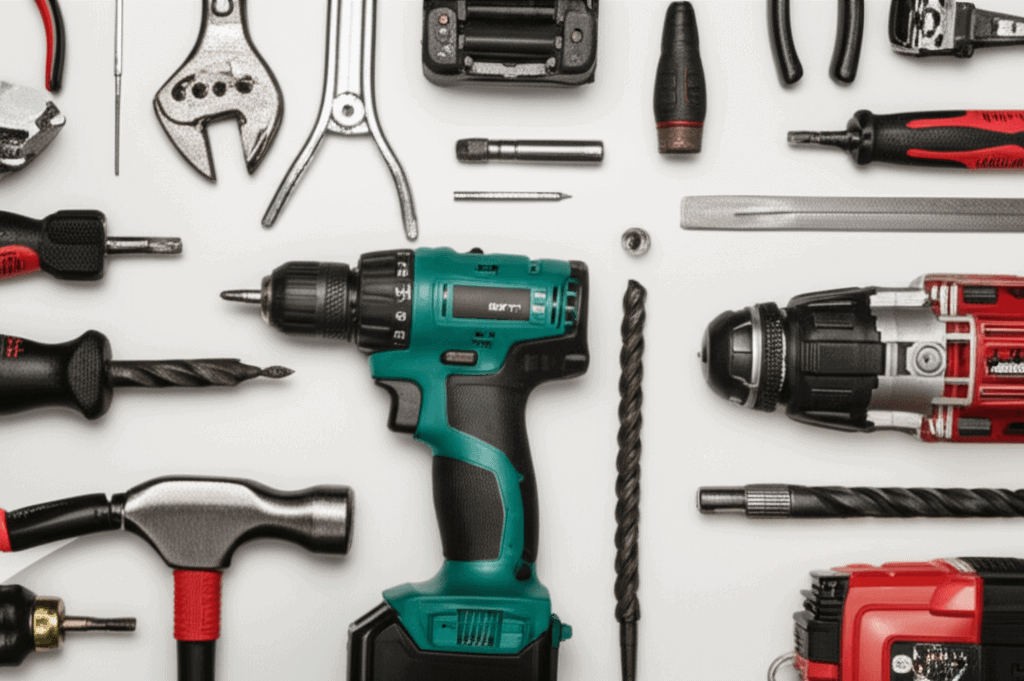
Improve Your DIY Tool Strategy
Your toolbox holds more than just metal and plastic. It fuels every weekend project and home repair. When cash and care go into picking, stashing, and looking after tools, searching time drops, and tasks finish quicker with long-lasting results. Picture fixing things like a pro, creating stuff that stays solid for the long haul. That’s the kind of win folks tackling home jobs dream about, and mastering tool care unlocks that power. Dive in to uncover tips that make every project easier and way more rewarding. Keep going—you won’t want to miss the secrets inside.
Good planning starts with a few basic decisions and a realistic list of what you actually need. This article lays out a clear path to Improve Your DIY Tool Strategy with examples, hands on tips, and real world priorities that help you make better choices without wasting money on items you will rarely use.
Improve Your DIY Tool Strategy with a Practical Foundation
Start by listing the tasks you handle most often. A short list might include hanging pictures, repairing a door, building a simple shelf, and doing small electrical fixes. For each task note which tools you used last time and which caused delays. That tells you where to invest time and money first.
Create a tiered purchase plan. Put essentials in tier one. Examples are a good hammer, a set of screwdrivers, a reliable tape measure, a quality tape, and a cordless drill. Tier two can include items you use several times a year like a circular saw or a router. Tier three is for specialty tools that serve one or two projects. This approach keeps purchases focused and reduces impulse buys that sit unused.
Inventory and Organization Techniques That Save Time
Knowing what you own cuts down on duplicate purchases and prevents frustrating trips to the store mid project. A simple inventory system starts with photographing major tools and storing that record on your phone. Add a one line note for condition and last service date.
- Keep small fasteners in clear labeled containers for quick access
- Use pegboard for wall mounted storage of frequently used items
- Group related tools together so you can grab a kit for a single job
Label shelves and drawers with the category of tool they hold. Over time you will train yourself to look in the right place first. When tools are returned after use they stay organized and ready for the next job.
Choose Tools That Cover Many Jobs Without Sacrificing Quality
One mistake many do it yourselfers make is buying many cheap single purpose tools. Instead pick a few well made pieces that handle multiple roles. A decent cordless drill with a brushless motor will do drilling and driving with less hassle. A variable speed oscillating multi tool cleans up edges, removes grout, and cuts plumbing pipes when needed.
When comparing brands and models focus on three things that matter more than flashy features
- Ergonomics and comfort during extended use
- Battery system compatibility for cordless tools
- Availability of replacement blades and parts
Spending a bit more for quality in a frequently used tool reduces downtime and often saves money over the life of the item.
Maintenance Habits That Extend Tool Life
Regular care keeps tools working safely and reduces replacement costs. A few minutes now prevents big problems later.
- Wipe metal surfaces and store in a dry place to cut down on rust
- Sharpen blades and bits before they become damaged
- Check batteries and chargers for signs of wear and replace as needed
Simple maintenance checklist
Create a short checklist you review after each project. Clean the dust out of vents, wipe down moving parts, and lightly oil hinges or sliding mechanisms. Mark the date on the inventory record so you can track when tools were last serviced.
When to send tools in for service
If a power tool hums oddly, vibrates, or produces smoke stop using it and have a technician look. Small repairs can be cheaper than buying a replacement and they save you from a project stop when a key item fails.
Budgeting for Tools Without Overspending
Decide what level of spending makes sense for your hobbies and home maintenance needs. If you plan to do major renovations you might invest more. For occasional fixes stay focused on the essentials and consider renting specialty tools for a single weekend job.
Use a tool purchase log to track prices and where you bought items. With that record you can watch for sale windows and buy when costs drop. Remember that some tools hold their value. If you buy a higher quality drill from a known brand you can often sell it later with minimal loss if your needs change.
Smart Buying Choices for New and Used Tools
There are times to buy new and times to buy used. New items give you a warranty and the latest battery technology for cordless tools. Used purchases can be great for low wear items like hand tools and clamps.
- Check used power tools for rust on moving parts and a clean motor housing
- Ask about hours of use for job site equipment and request a quick demonstration
- Buy new batteries unless you can test them for charge retention
For less common items a rental might be the cheapest option. Renting a tile saw or a large floor sander for a one off project keeps your garage uncluttered and provides access to heavier duty equipment than you would otherwise buy.
Project Kits That Keep You Ready
Assemble small kits for common jobs. A picture hanging kit might include a stud finder, a level, a set of drywall anchors, a couple of sizes of screwdrivers and a hammer. A plumbing kit can contain a pipe wrench, channel locks, plumber tape, and a roll of emergency rubber repair tape.
Store each kit in a labeled box so you can remove the entire set for a single task. This reduces setup time and helps prevent tools from being left in odd places after a repair.
Learning Resources and Ongoing Improvement
Improving your approach to tools is partly about habit and partly about information. Reading clear product reviews and how to use guides saves time and avoids mistakes. For a reliable mix of tool reviews and practical advice visit diy-tool-advisor.com for examples of user friendly guides that compare features and cost.
Practice is also important. Try small projects to get comfortable with a new tool before you use it on a big job. This reduces damage to materials and lowers the stress of working with unfamiliar equipment.
Safety Practices That Should Never Be Skipped
Safe operation protects you and your tools. Read the manual for any power tool and follow basic rules such as wearing eye protection and hearing protection for loud equipment. Keep a first aid kit nearby and avoid loose clothing when using rotating machinery.
- Check cords and plugs for wear before use
- Use clamps to hold small pieces instead of your hand
- Keep a neat workspace to avoid trips and electrical hazards
Safety also means storing hazardous materials out of reach of children and labeling any containers with chemicals or adhesives.
Improving your DIY tool strategy is a steady process of making decisions that reduce friction during projects. Start by listing common tasks and build a tiered plan for what to buy. Organize and label your storage so you spend time working instead of searching. Favor versatile quality tools for frequent use and handle specialty items through rental or secondhand purchase when that is the smarter choice. Keep a short maintenance routine to extend tool life and create small kits for recurring tasks. Learn from reliable sources and practice new skills on low risk jobs before using them in major work.
Take one step today by writing your task list and checking your inventory. That single action often reveals the next three purchases that will make the biggest difference. When you are ready to read straightforward reviews of popular models and practical buying tips visit the resource linked above. With deliberate choices and a few simple habits you will finish projects faster and with better results. Get started and treat your tool collection as an investment in quicker repairs and stronger finished work.


