
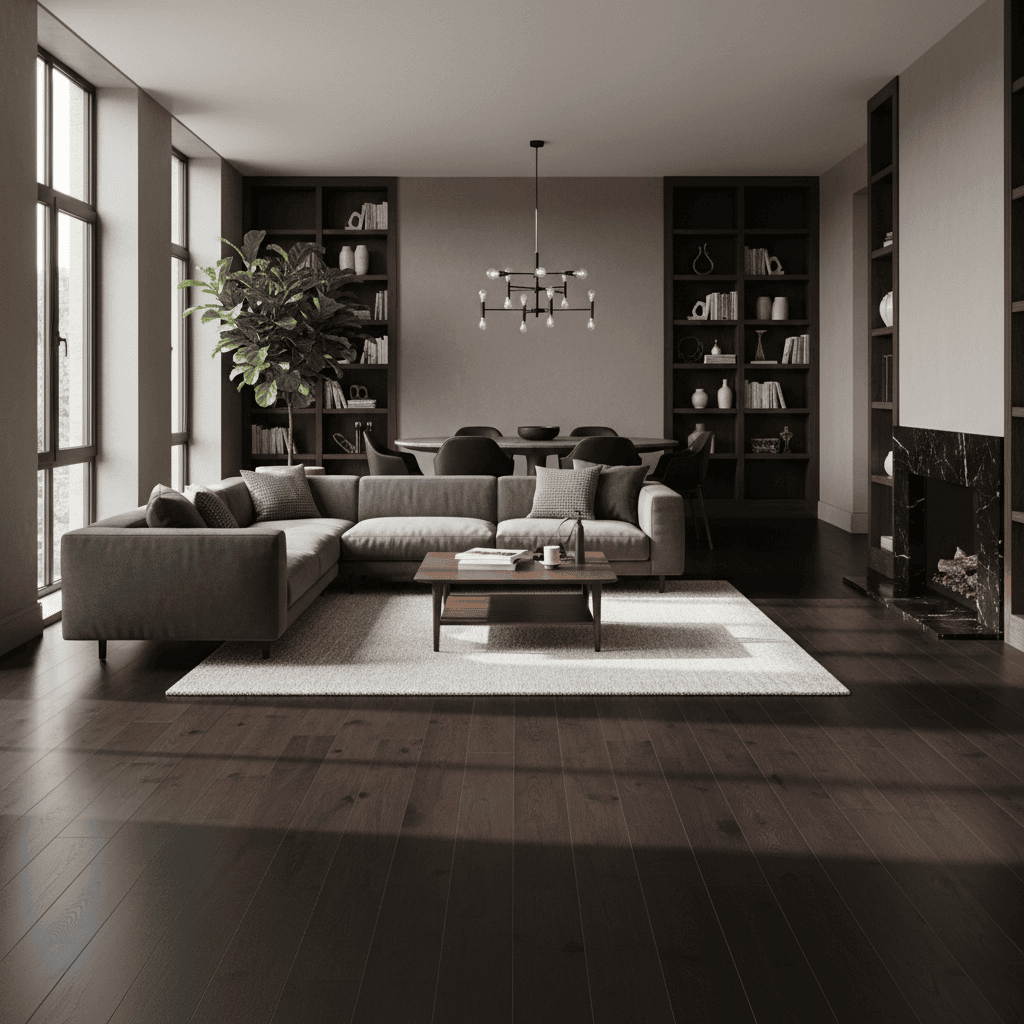
Empower Your Home with Dark Flooring Choices
Empower Your Home with Dark Flooring Choices is more than a trend line in interior design. Dark floors can change the feeling of a room in ways that go beyond color. They set a tone, frame furniture, and provide a durable base that works with many styles from classic to contemporary.
This article walks through practical choices and real world tips for selecting dark flooring that fits your lifestyle. You will find material comparisons, color pairing strategies, lighting solutions, upkeep routines, and styling examples to help you make decisions with confidence.
Why choose dark flooring for modern homes
Dark floors offer visual weight that can ground a space. They hide certain stains and scuffs better than very pale surfaces while creating a strong platform for area rugs and furnishings. Many homeowners prefer dark tones because they provide contrast against light walls and bright textiles.
Beyond aesthetics there are functional gains. Dark floors usually show less discoloration from age in some materials and can help conceal shadowing in open plan rooms. That said picking the right sheen and finish matters for maintenance and light reflection.
Materials that work best for dark floors
Different materials bring different strengths when used in darker tones. Below are popular choices with practical notes to help match a material to your use case.
- Solid hardwood Good for longevity and can be refinished multiple times. Wide planks in dark stains read as high end but look for species with good hardness ratings if traffic is heavy.
- Engineered wood Offers a real wood surface over a stable core. It resists seasonal movement making it a reliable choice for kitchens or areas with slight moisture variation.
- Luxury vinyl plank Budget friendly and highly durable. Many options mimic wood grain closely and handle water exposure better than most wood products.
- Porcelain tile Ideal for high moisture zones. Large format tiles in matte dark shades create a uniform plane and are easy to keep clean.
- Stained concrete A modern industrial look with strong durability. Concrete can be sealed in matte or satin finishes to avoid unwanted shine.
Hardwood and engineered wood considerations
When choosing wood look at plank width and finish sheen. Narrow planks create a traditional pattern while wider planks read more contemporary. Low sheen or matte finishes hide scratches better and keep the darker tone from becoming too glossy under light.
Tiles and vinyl practical notes
Large tiles minimize grout lines producing a cleaner look. For luxury vinyl choose a product with a thick wear layer for long term durability. Both tiles and vinyl provide easy maintenance which can be a real advantage in active households.
Color pairings and contrast strategies for dark flooring
Dark floors need thoughtful contrast to keep rooms from feeling heavy. Walls that are lighter than the floor help lift the upper half of the room and keep a sense of airiness. Neutral walls such as soft white, warm taupe, or pale gray are classic choices that interact well with dark bases.
Accent colors should be chosen to create visual layers. Warm wood tones, brass metal finishes, and textiles in muted jewel tones work especially well. Introduce patterned rugs in lighter colors to break up large expanses of dark flooring while adding texture and comfort.
- Contrast rule Use at least one lighter major surface such as a rug, sofa, or paint to balance the dark floor.
- Layering Add mid toned furniture and medium contrast accessories to avoid stark two tone looks.
- Metal choices Brushed nickel, warm brass, and matte black each create different vibes when paired with dark floors. Pick one primary metal finish to keep cohesion.
Lighting solutions to balance dark floors
Proper lighting can make dark flooring feel intentional instead of oppressive. Combine ambient, task, and accent lighting so that the floor reads differently depending on the activity in the room.
- Ambient light Use overhead fixtures or recessed lighting to create even illumination across the floor plane.
- Task light Floor lamps and under cabinet lights provide focus where needed and reduce shadowing near seating or counters.
- Accent light Wall washers, picture lights, and table lamps add depth and help keep the eye moving around the room rather than fixating on a dark surface.
Mirrors and gloss finishes on select furniture pieces reflect light and contribute to a brighter perception without changing the floor. If natural light is limited consider bulbs with a higher color temperature to imitate daylight which interacts well with darker tones.
Maintenance and care for dark flooring finishes
Dark floors can show dust, pet hair, and light scratches more readily than mid toned surfaces. Preventative habits reduce visible wear and keep surfaces attractive with minimal work.
- Daily and weekly Sweep or vacuum with a soft brush head to remove abrasive grit. Use a microfiber dust mop for quick touch ups.
- Monthly Clean with a manufacturer recommended solution. Avoid products that leave a residue which will highlight streaks on dark finishes.
- Protective steps Felt pads under furniture legs and area rugs in high traffic zones prevent premature scratching. Use doormats to reduce tracked in dirt.
Always follow product specific care guidance. For wood floors a low moisture cleaning approach prevents cupping and separation. For tile and vinyl choose cleaners that maintain the finish without stripping protective layers.
Styling rooms around dark flooring choices
Dark floors act like a strong piece of furniture across the entire room. With that in mind choose furniture scale and textile selections that complement the floor rather than compete with it.
Consider balance in each zone. A light sofa with mid toned chairs and layered rugs creates a balanced living room. In dining areas select a table finish that stands out from the floor or matches it for a cohesive look depending on your preference.
Small spaces and dark floors
Small rooms can succeed with dark flooring when paired with high contrast trim and bright walls. Area rugs are powerful tools in small rooms because they define zones and reduce the visual dominance of the floor. Keep furniture streamlined to avoid clutter and maintain sight lines.
Open plan living and continuity
In open plan homes use the same dark flooring across connected areas for continuity. Add rugs and lighting to define each functional zone. Place higher contrast elements near windows to draw attention to views and make the space feel expansive.
For those seeking extra guidance on combinations and layouts consider further reading on curated approaches to pattern, texture and scale. Practical articles with layout examples can help pinpoint solutions for specific rooms and budgets and one helpful resource offers a full set of ideas for floor driven design choices dark flooring design tips.
Choosing the right finish tone and sheen
Selecting the right finish tone and sheen affects both look and upkeep. A matte or low sheen finish tends to hide small scratches and looks modern. Medium sheen reflects a little more light making the room feel livelier while still showing less wear than high gloss options.
- Warm undertones Work well with cream walls and copper accents for a lived in feel.
- Cool undertones Pair nicely with gray walls and stainless steel elements for a cooler look.
- Neutral darks Provide maximum flexibility and adapt to many styles since they read neither too warm nor too cool.
Test samples in multiple lighting conditions before deciding. A floor sample can appear quite different in morning light compared to evening fixtures so live with a few planks in place for a week if possible.
Budgeting and timeline considerations for dark floors
Budget affects material choice and installation timeline. Solid hardwood generally comes with higher upfront cost and longer installation time while vinyl and engineered options can be quicker and less expensive. Factor in underlayment, transitions, and finishing when estimating total project cost.
Plan for acclimation of wood products to the home environment. This step reduces installation issues and helps maintain stability after installation. Talk with your installer about warranty and recommended maintenance schedules so costs are clear from the start.
Making dark flooring work in your home is about balance. Consider traffic patterns, natural light, and overall color planning. With a well chosen material and coordinated surface treatments you can achieve a room that feels intentional and comfortable. If you are ready to take the next step test samples in place and sketch a layout that includes lighting and rug placement. Small decisions such as rug size and lamp placement have outsized effects on the final result.
Dark flooring choices can redefine how a home feels to live in by providing a steady visual foundation that supports furniture and finishes. Use the guidance here to weigh materials, pairing strategies, and upkeep so you make a choice that fits both style and daily life. Take action by ordering samples and scheduling a consultation with a flooring installer or interior pro to move from idea to installation.


